 ADU4LESS
When you have two answers
Ask each person what property condition or proposal assumption they used. Different assumptions can explain different conclusions.
ADU Questions
Find a first answer and the page that explains what to do next. Start anywhere, from your lot or floor plan to construction, scope or handoff.
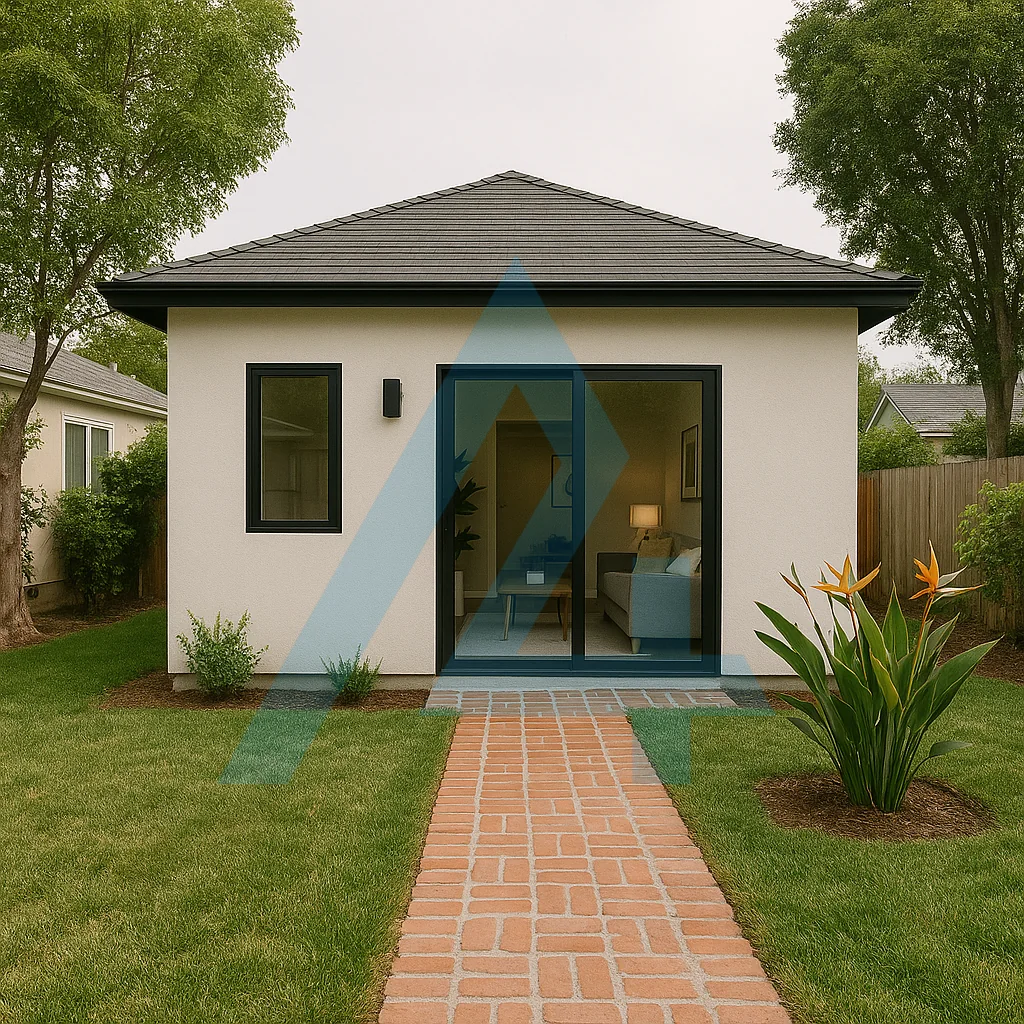
The best first question depends on where you are in the project.
“How do I know which type can work here?” Compare possible locations, how residents get there, and what space the main home needs to keep. Identify the jurisdiction and verify site conditions before relying on a drawing.
“Should I start with a standard plan?” It can be a useful comparison point. Check the footprint, daylight, entry and furniture routes against the lot. Ask which reviews and changes are specific to your address.
“What does a construction estimate cover?” Check design, fees, utility and site work, finishes, owner purchases and restoration separately. Ask which numbers are firm, which depend on a selection, and who handles unknown conditions.
“Why do schedules look so different?” Some proposals start at construction while others include design and approvals. Ask what calendar dates, milestones, orders, and owner decisions the schedule assumes.
“Can we stay in the main house while the ADU is built?” Work through access, service interruptions, dust and weather protection, and whether construction touches occupied rooms. Ask how the builder communicates changes.
“What should I review at handoff?” Check equipment operation, door and window operation, restoration, and outstanding items. Request available records and agree who is responsible for follow-up.
Planning example
If a layout works only when a side gate stays open, investigate access before spending time on flooring or appliance selections. If a builder’s estimate includes a large undefined allowance, get the scope and assumptions in writing before comparing the bottom line.
Identify the reviewing city or county. For a property in the City of Los Angeles, begin with the City property and ADU resources on the LA Permits page.
Use the same drawing version and finish assumptions with every builder. Ask for the work that begins outside the new building and the items you will still need to arrange.
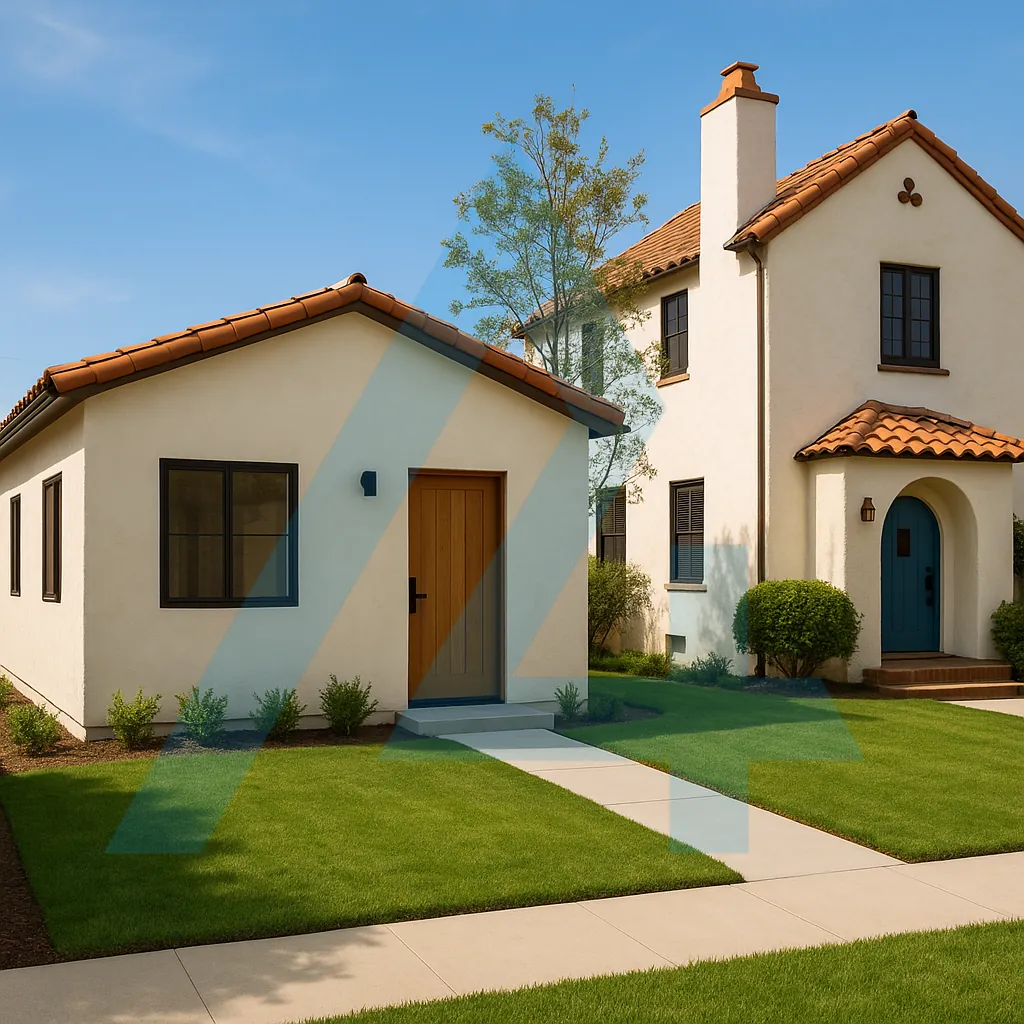
When two answers sound right
Consider the choice between an attached and detached ADU. Picture a grocery run, a late arrival, and a visit from someone who has never been there. If the route through the yard is inconvenient, revisit the entry before changing the size of the home.
Ask the same three questions of every option. What gets easier? What becomes harder? What do we give up on the property to make it work?
Try thisKeep a short list of choices that suit how you already use the site.
Compare the main ADU typesWhen an answer depends on the property
Take “Can I fit two bedrooms?” and give the designer one more fact: you also want to keep the driveway. That narrows the conversation and makes the alternatives easy to compare.
Ask each person what property condition or proposal assumption they used. Different assumptions can explain different conclusions.
Write what you can check now, such as access or visible openings, and what needs a plan, measurements, or a reply from the reviewing agency.
Two answers to the same question
If two people tell you different things about the same property, ask each to describe the site, plan, or proposal they used.
A few photos and a clear goal give the first conversation a place to start.